The Essentials of Replacing an Air Conditioning System

Important AC Replacement Basics to Know

An air conditioner works quietly in the background for years, and it can be easy to overlook the gradual signs that the system is no longer performing the way it should. Knowing when to replace a unit, what a new system brings to the table, and which type of system fits the home best are all decisions that carry long-term consequences for comfort and cost. Getting familiar with the basics before making that call puts homeowners in a much stronger position to choose well.

Signs to Replace an Air Conditioner
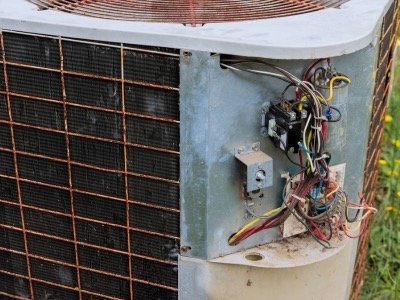
hvac Age is one of the most straightforward indicators that an air conditioner is approaching the end of its useful life, with most systems beginning to decline noticeably after the ten-year mark. As components wear down over time, the system has to work harder to maintain the same level of cooling, and that extra effort shows up as reduced performance and inconsistent temperatures throughout the home. An aging unit that is starting to struggle is rarely worth pouring money into, as the underlying issue is the accumulation of wear that no single repair can fully reverse.

Rising energy bills are another sign that an air conditioner is losing its efficiency, even when usage habits have not changed. Older units, particularly those that have not received regular maintenance, consume significantly more electricity to deliver the same amount of cooling as a newer, more efficient model. That gap in efficiency widens as the system ages, making the monthly cost of operating an old air conditioner a growing financial burden.

Frequent repair calls are perhaps the most telling sign that a replacement is overdue. When the same system requires attention multiple times within a single cooling season, or when the cost of a single repair approaches a significant portion of what a new unit would cost, continuing to invest in that system rarely makes financial sense. At that point, the more practical decision is to put that money toward a new installation rather than extending the life of a system that has already reached its limit.

Advantages of Replacing an Old AC Unit

A new air conditioner installation delivers an immediate improvement in energy efficiency, as modern systems are engineered to cool more effectively while consuming less electricity than older models. That efficiency advantage translates into lower monthly utility bills, which begin to offset the cost of the new system from the very first cooling season. Over the lifespan of the unit, those accumulated savings represent a meaningful return on the investment made at installation.

Fewer repair costs are another financial benefit that comes with a new system, since a properly installed, modern air conditioner is far less likely to develop the recurring issues that plague aging equipment. Manufacturer warranties on new units also provide additional protection during the early years of ownership, covering parts and labor for problems that may arise. That combination of reliability and warranty coverage gives homeowners peace of mind that a constantly malfunctioning old unit simply cannot offer.

Beyond the financial advantages, a new air conditioner also enhances the overall comfort of the home in ways that an old system can no longer deliver. Improved airflow, more consistent temperatures, better humidity control, and quieter operation all come standard with a modern system designed around current performance expectations. Replacement also presents the opportunity to resize the unit if the original system was ever improperly matched to the home, ensuring that the new installation is correctly sized for optimal performance from day one.

Choosing a Type of AC System

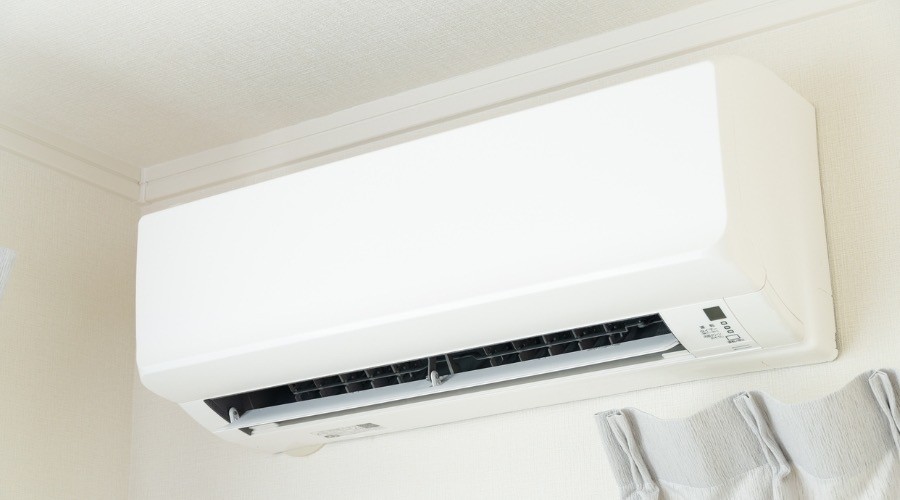
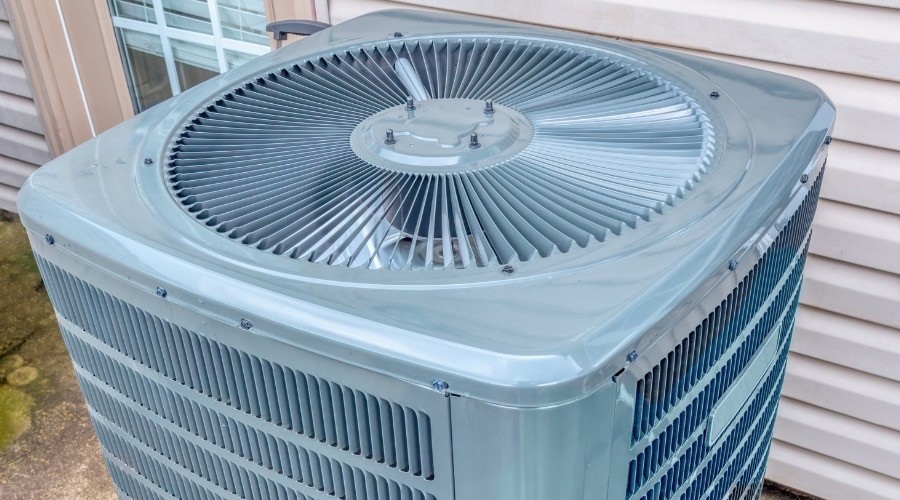
acWhen the time comes to replace or install an air conditioner, the decision will most likely come down to two options: a central air conditioning system or a ductless mini split system. Each one is built around a different approach to cooling the home, and the right choice depends on the structure of the property, the existing infrastructure, and the priorities of the household. Understanding what each system offers and where each one falls short makes that decision considerably easier to navigate.

Central air conditioning systems are generally less expensive to install, particularly in homes that already have existing ductwork in place, since the cost of building out that infrastructure is already eliminated. The system also keeps most of its components out of sight, with vents tucked into ceilings or floors and the equipment housed in a single location rather than distributed throughout the home. The trade-off is that central air systems tend to carry higher monthly operating costs, as energy losses through the ductwork reduce the overall efficiency of the system over time.

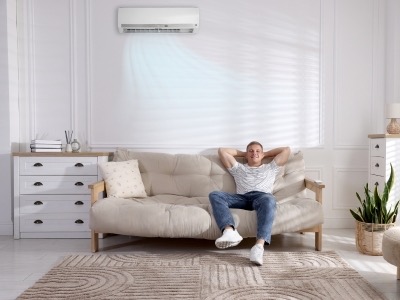
Ductless mini split systems offer a higher level of energy efficiency by delivering cooled air directly into each zone without traveling through ducts, which lowers monthly energy bills over the life of the system. The absence of ductwork also makes mini splits a practical solution for homes where running ducts through the structure would be disruptive or impractical, while the zone-by-zone temperature control allows different rooms to be set independently based on occupancy or preference. The primary consideration with a ductless system is the higher upfront installation cost, though for many homeowners, the long-term energy savings and flexibility make that initial investment well worth it.

About Jerry Brittingham A/C & Heat, Inc.

Jerry Brittingham A/C & Heat, Inc. is a full heating and air conditioning services company serving Daytona, FL, and beyond. They offer transparent pricing, knowledgeable technicians, and hassle-free service. Call them today for air conditioning installation in Daytona, FL.

All About Air Handlers

Understanding Air Handlers and When They Need Service

Every comfortable home has a system working behind the scenes to keep the air moving, and the air handler is at the heart of that process. Understanding what this unit does, how to recognize when something is wrong, and why regular maintenance matters can make a significant difference in how well a home's HVAC system performs over time. The more familiar a homeowner becomes with the air handler, the better equipped they are to protect it.

What Is an Air Handler and Its Components?

evaporator coilAn air handler is the indoor component of an air conditioning or heat pump system, and its primary job is to circulate conditioned air throughout the home by pushing it through the ductwork and into each room. Without the air handler performing that distribution function, the cooling or heating produced by the outdoor unit would have no way of reaching the living spaces where it is needed. The air handler serves as the central hub that connects the mechanical process of conditioning air to the everyday comfort experienced inside the home.
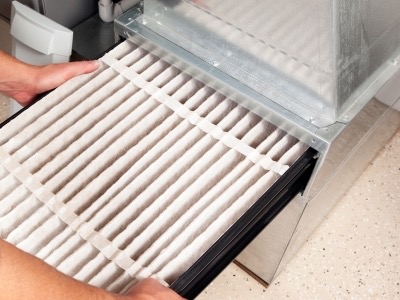
Inside the air handler, several key components work together to make that circulation possible. The evaporator coil absorbs heat from the indoor air as refrigerant passes through it, effectively removing warmth and humidity from the space before the air is redistributed. The blower motor then propels that conditioned air through the duct system, while the air filter captures dust, debris, and airborne particles before they can circulate through the home or accumulate on internal components.

Each of these components plays a distinct role, and the failure of any one of them affects the performance of the entire system. A dirty evaporator coil reduces the system's ability to absorb heat efficiently, a struggling blower motor leads to weak airflow, and a clogged air filter restricts the entire process from the start. Understanding what sits inside the air handler unit is the first step toward recognizing when something inside it begins to go wrong.

Key Signs That the Air Handler Needs Repair or Replacement

Unusual noises coming from the air handler are often the first indication that something inside the unit has shifted, worn down, or come loose. Rattling, banging, squealing, or grinding sounds each point to different mechanical issues, from loose panels and debris in the blower to failing motor bearings that will only worsen without attention. A system that was once quiet and steady does not develop new noises without reason, and those sounds deserve prompt investigation.

Rising energy bills without a clear explanation often trace back to an air handler that is working harder than it should to move air through the system. Poor airflow at the vents, uneven temperatures from room to room, and fluctuating indoor comfort levels are all symptoms of a unit that is no longer distributing air as efficiently as it once did. These performance issues signal that the air handler is compensating for a problem rather than operating within its normal parameters.

Water pooling around the base of the air handler is a warning that should never be ignored, as it often points to a clogged condensate drain line or a frozen and thawing evaporator coil. Left unaddressed, that moisture can damage flooring, promote mold growth, and compromise the structural integrity of surrounding materials. When multiple warning signs appear together, the conversation shifts from whether repair is needed to whether replacement makes more long-term sense than continued service.

Why the Air Handler Needs Routine Maintenance

filter Routine maintenance on the air handler is one of the most effective ways to keep energy costs in check, since a well-maintained unit runs more efficiently and places less demand on the overall HVAC system. When components like the blower and evaporator coil are kept clean and in proper working condition, the system reaches the desired temperature faster and without the excess energy consumption that comes from a struggling unit. That efficiency translates directly into lower monthly operating costs that add up to meaningful savings over the life of the system.

Beyond efficiency, regular maintenance extends the operational lifespan of the air handler by catching minor issues before they develop into major mechanical failures. A technician performing a routine inspection can identify early signs of wear, address refrigerant concerns, and clean components that would otherwise become sources of bigger problems down the line. Investing in preventive care consistently costs far less than the repairs or premature replacements that result from neglect.

Air filter replacement is a particularly important part of that maintenance routine, as a clogged filter forces the blower to work against restricted airflow while allowing dust and debris to reach sensitive internal components. Replacing the filter on a regular schedule keeps airflow unrestricted, protects the evaporator coil from buildup, and supports the overall indoor air quality of the home. Together, professional maintenance visits and consistent filter changes form the foundation of an air handler care routine that supports comfort, efficiency, and long-term reliability.

About Jerry Brittingham A/C & Heat, Inc.

Jerry Brittingham A/C & Heat, Inc. is the most trusted AC and heating company serving Daytona Beach, FL, and beyond. They offer transparent pricing, knowledgeable professionals, and 100% satisfaction guarantee. Call them today for air handler services in Daytona Beach, FL.

Distribution Links +

Why Ductless Mini Splits Are Worth Installing

Why Install a Ductless Mini Split Air Conditioner?

Florida heat is relentless, and finding a cooling solution that delivers both comfort and efficiency is a priority that every property owner in the region understands well. Ductless mini-split air conditioners have emerged as one of the most versatile and practical options, offering a path to reliable indoor climate control without the limitations of traditional ducted systems. Exploring the core benefits of these systems reveals why more homeowners are making the switch and why the decision continues to pay off long after installation day.

Lower Energy Bills

save moneyEnergy efficiency sits at the heart of what makes ductless mini split systems such a compelling choice, and the savings begin the moment the system starts operating. Traditional central air conditioning relies on a network of air ducts to distribute cooled air throughout a home, and those ducts are a known source of energy loss, with air leaks and thermal transfer quietly driving up electricity consumption month after month. A ductless mini split eliminates that vulnerability by delivering conditioned air directly into the living space without any ductwork involved.

The technology behind ductless systems is also built with efficiency in mind, as most modern mini split units use inverter-driven compressors that adjust their output to match the actual cooling demand of a space rather than cycling on and off at full power. This kind of precise operation consumes significantly less electricity compared to conventional systems that run at fixed speeds regardless of conditions. Over the course of a Florida summer, that efficiency translates into measurable reductions in monthly energy bills.

The absence of duct-related energy loss, combined with the inherent efficiency of inverter technology, positions ductless mini splits as one of the most cost-effective cooling solutions available for residential properties. Properties that previously relied on window units or outdated central systems often see noticeable improvements in both comfort and utility costs after making the transition. Those lower energy bills are not a temporary benefit but rather a continuous return that compounds over the lifespan of the system.

Easier Installation and Flexibility

The installation process for a ductless mini split is far less invasive than that of a central air conditioning system, primarily because there are no air ducts to design, route, or install throughout the structure. A typical ductless installation requires only a small hole through an exterior wall to connect the indoor air handler to the outdoor condenser unit, a process that a qualified technician can often complete in a single day. That streamlined process means less disruption to the household and a faster path from installation to enjoying cool, comfortable air.

The flexibility that comes with ductless systems extends well beyond the ease of installation, opening up cooling possibilities for spaces that a traditional ducted system could never efficiently serve. Older homes built before central air conditioning was standard often lack the wall cavities, attic space, or structural layout needed to accommodate air ducts, and a ductless mini split steps in as the practical solution without requiring major renovations. The same logic applies to room additions, garages converted into living spaces, or detached structures where running ductwork from the main system would be impractical or cost-prohibitive.

For properties where space constraints have always made whole-home air conditioning seem out of reach, a ductless mini split reframes what is possible. The indoor air handler can be mounted on a wall, recessed into a ceiling, or positioned in a floor unit, depending on the layout and aesthetic preferences of the space. That adaptability makes ductless systems one of the most genuinely flexible cooling solutions on the market, capable of fitting into nearly any residential or light commercial environment.

Zoning and Customization

acOne of the most appreciated advantages of ductless mini split systems is the ability to create individualized climate zones throughout a home, allowing different rooms or areas to be cooled to different temperatures simultaneously. In a traditional central air system, a single thermostat governs the temperature for the entire home, which means some rooms inevitably end up too warm while others feel uncomfortably cold. A multi-zone ductless setup replaces that one-size-fits-all approach with a level of control that matches how people actually live and use their spaces.

Zoning contributes directly to energy efficiency as well, because cooling only the occupied areas of a home at any given time eliminates the waste of conditioning empty rooms. A bedroom wing can be kept cooler during sleeping hours while common areas maintain a different temperature, all without any compromise or conflict between household members. That kind of targeted operation keeps both comfort levels and electricity consumption exactly where they need to be throughout the day.

The customization available through ductless mini splits also accommodates the varying needs of different household members, who rarely agree on a single ideal temperature for every room. Spaces that tend to run warmer due to sun exposure, electronics, or occupancy can be independently adjusted without affecting the rest of the home. This combination of zoning capability and individual control makes ductless mini-splits not just a cooling solution, but a genuine upgrade to the overall comfort and efficiency of any home.

About Jerry Brittingham A/C & Heat, Inc.

Jerry Brittingham A/C & Heat, Inc. is a full heating and air conditioning services company serving South Daytona, FL, and beyond. They offer transparent pricing, knowledgeable technicians, and a 100% satisfaction guarantee. Call them today for ductless mini-split AC services in South Daytona, FL.

Distribution Links +

Early Warning Signs of AC Refrigerant Leaks

How to Tell When AC Refrigerant Leak Repair Is Needed

Central air conditioning systems rely on refrigerant circulating in a closed loop to move heat from indoors to outdoors. When a refrigerant leak develops, that balance is disrupted, and the system begins to show clear signs of distress. Ignoring those clues can lead to higher energy bills, poor comfort, and even damage to critical components. This overview explains how a frozen evaporator coil forms when AC refrigerant is low, how a leak affects cooling performance and efficiency, and why strange noises such as hissing or bubbling often point to escaping air conditioning refrigerant.

Frozen Evaporator Coils

Inside the indoor unit, the evaporator coil holds cold refrigerant that absorbs heat from indoor air. Under normal conditions, the coil stays just above freezing. When a refrigerant leak reduces the amount of AC refrigerant in the system, the pressure and temperature inside the coil drop. If the surface temperature falls below freezing, moisture from the air condenses on the metal and then turns to ice, creating a frozen evaporator coil.

At first, a thin layer of frost may appear on parts of the coil. Over time, that frost can spread and thicken into solid ice, sometimes extending along the refrigerant lines. A frozen evaporator coil restricts airflow, which further hampers heat transfer and forces the compressor to work harder. Turning the system off may melt the ice temporarily, but the underlying refrigerant leak will cause the problem to return until proper AC refrigerant leak repair is completed and the system is recharged correctly.

The AC Is Not Cooling Properly

hot at homeAnother common sign of a refrigerant leak is a noticeable drop in cooling performance. With less air conditioning refrigerant circulating, the evaporator coil cannot absorb as much heat from the air. Supply vents may start to release air that feels only mildly cool or, in more severe cases, air that is barely cooler than room temperature. Rooms may take a long time to reach the thermostat setting, or they may never quite get there at all.

Low refrigerant levels also affect efficiency. Because each cooling cycle removes less heat, the system may run for longer periods in an attempt to maintain indoor comfort. These extended run times can increase energy consumption and show up as higher utility bills. In addition, operating with improper refrigerant charge places extra stress on the compressor, which can lead to expensive failures if the underlying refrigerant leak is not located and repaired by a qualified technician.

Unusual Sounds

sounds In many systems, a refrigerant leak produces distinctive noises. Hissing, gurgling, or bubbling sounds near the indoor or outdoor unit can indicate refrigerant escaping from a small opening. When pressurized refrigerant moves through a crack, pinhole, or loose connection in coils or lines, it can create a sharp hiss. If refrigerant mixes with oil or moisture inside the system, softer bubbling or gurgling sounds may be heard as it passes the damaged area.

These noises are often most noticeable during or shortly after a cooling cycle. Any suspected leak should be investigated promptly, since refrigerant handling requires specialized training and equipment. A licensed HVAC professional can perform AC refrigerant leak repair by finding the leak source, repairing or replacing the affected component, and restoring the correct refrigerant level so the system can operate safely and efficiently again.

About Jerry Brittingham A/C & Heat, Inc.

Jerry Brittingham A/C & Heat, Inc. provides a comprehensive range of expert air conditioning, heating, and indoor air quality services throughout Daytona Beach and the neighboring areas. With top-rated solutions from A+ rated, BBB-accredited professionals, customer satisfaction is guaranteed. Call them today for refrigerant leak repair services in Daytona Beach, FL.

Practical Tips to Cut Heating and Cooling Costs

Ways to Save Money While Staying Comfortable

Heating and cooling account for a large share of most utility expenses, but staying comfortable does not have to mean overpaying each month. Small changes to daily habits and basic system care can make furnaces and air conditioners run more efficiently and last longer. A simple plan that combines routine heating maintenance and AC maintenance, strategic use of ceiling fans, and the advantages of a modern smart thermostat can significantly reduce wasted energy. The sections below outline how these three steps work together to support comfort, reliability, and lower operating costs throughout the year.

Maintenance and Air Filter Replacement

filter A clean air filter allows air to move freely through the system. When an air filter becomes clogged, the blower must work harder to pull air through, which reduces efficiency and can shorten equipment life. Regular air filter replacement helps furnaces and air conditioners run with less strain, improving airflow, protecting internal components from dust, and often resulting in quieter operation.

Professional heating maintenance and air conditioning maintenance go beyond filter changes. During a tune‑up, a technician inspects critical parts, cleans coils and burners, checks electrical connections, and verifies refrigerant levels and safety controls. This attention helps systems operate closer to original design efficiency, which can translate into lower energy use. Catching worn parts early can also prevent unexpected breakdowns and extend the overall lifespan of heaters and air conditioners, reducing long‑term repair and replacement costs.

Utilize Ceiling Fans

fan A properly used ceiling fan is a simple tool for stretching heating and cooling dollars. Fans do not change the actual air temperature, but they circulate air so that spaces feel more comfortable at slightly more efficient thermostat settings. In warm weather, a ceiling fan set to rotate counterclockwise pushes air downward, creating a breeze that makes rooms feel cooler, allowing the thermostat to be set a bit higher while maintaining comfort.

During colder months, most fans include a switch that reverses direction. At a low speed and set to rotate clockwise, the fan gently draws cool air up and pushes warm air that has risen at the ceiling back down into the occupied space. Used correctly, fans support both heating and cooling equipment, helping reduce run times and energy consumption without major changes to the HVAC system itself.

Install a Smart Thermostat

A smart thermostat offers another effective way to manage heating and cooling costs. Unlike a basic thermostat, a smart model can be programmed with detailed schedules, adjusted remotely through a phone or tablet, and monitored for usage patterns. Smart thermostat installation allows precise control over temperature setbacks at night, during work hours, or while residents are away, which can prevent systems from running unnecessarily.

Many smart thermostats provide energy reports, filter change reminders, and alerts about unusual operation, encouraging timely service and efficient use. Some can even learn preferred temperature settings over time and automatically fine‑tune schedules. When installed and configured correctly, a smart thermostat helps keep indoor conditions comfortable while minimizing wasted energy, often leading to noticeable savings on utility bills.

About Jerry Brittingham A/C & Heat, Inc.

Jerry Brittingham A/C & Heat, Inc. is a top-rated, award-winning heating, air conditioning, and indoor air quality company providing quality HVAC services throughout Daytona and the surrounding areas. Their prompt and professional technicians are committed to ensuring customer satisfaction, so call them today to schedule AC or heating services in Daytona Beach, FL.