All About Air Handlers

Air handler unit and ductwork in attic illustrating HVAC system components.

Understanding Air Handlers and When They Need Service

Every comfortable home has a system working behind the scenes to keep the air moving, and the air handler is at the heart of that process. Understanding what this unit does, how to recognize when something is wrong, and why regular maintenance matters can make a significant difference in how well a home's HVAC system performs over time. The more familiar a homeowner becomes with the air handler, the better equipped they are to protect it.

What Is an Air Handler and Its Components?

evaporator coilAn air handler is the indoor component of an air conditioning or heat pump system, and its primary job is to circulate conditioned air throughout the home by pushing it through the ductwork and into each room. Without the air handler performing that distribution function, the cooling or heating produced by the outdoor unit would have no way of reaching the living spaces where it is needed. The air handler serves as the central hub that connects the mechanical process of conditioning air to the everyday comfort experienced inside the home.

Inside the air handler, several key components work together to make that circulation possible. The evaporator coil absorbs heat from the indoor air as refrigerant passes through it, effectively removing warmth and humidity from the space before the air is redistributed. The blower motor then propels that conditioned air through the duct system, while the air filter captures dust, debris, and airborne particles before they can circulate through the home or accumulate on internal components.

Each of these components plays a distinct role, and the failure of any one of them affects the performance of the entire system. A dirty evaporator coil reduces the system's ability to absorb heat efficiently, a struggling blower motor leads to weak airflow, and a clogged air filter restricts the entire process from the start. Understanding what sits inside the air handler unit is the first step toward recognizing when something inside it begins to go wrong.

Key Signs That the Air Handler Needs Repair or Replacement

Unusual noises coming from the air handler are often the first indication that something inside the unit has shifted, worn down, or come loose. Rattling, banging, squealing, or grinding sounds each point to different mechanical issues, from loose panels and debris in the blower to failing motor bearings that will only worsen without attention. A system that was once quiet and steady does not develop new noises without reason, and those sounds deserve prompt investigation.

Rising energy bills without a clear explanation often trace back to an air handler that is working harder than it should to move air through the system. Poor airflow at the vents, uneven temperatures from room to room, and fluctuating indoor comfort levels are all symptoms of a unit that is no longer distributing air as efficiently as it once did. These performance issues signal that the air handler is compensating for a problem rather than operating within its normal parameters.

Water pooling around the base of the air handler is a warning that should never be ignored, as it often points to a clogged condensate drain line or a frozen and thawing evaporator coil. Left unaddressed, that moisture can damage flooring, promote mold growth, and compromise the structural integrity of surrounding materials. When multiple warning signs appear together, the conversation shifts from whether repair is needed to whether replacement makes more long-term sense than continued service.

Why the Air Handler Needs Routine Maintenance
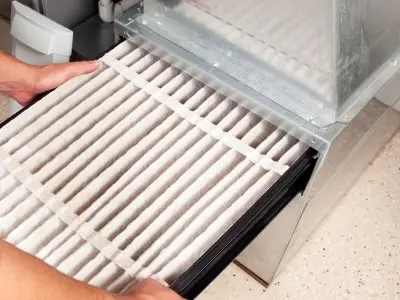
filter Routine maintenance on the air handler is one of the most effective ways to keep energy costs in check, since a well-maintained unit runs more efficiently and places less demand on the overall HVAC system. When components like the blower and evaporator coil are kept clean and in proper working condition, the system reaches the desired temperature faster and without the excess energy consumption that comes from a struggling unit. That efficiency translates directly into lower monthly operating costs that add up to meaningful savings over the life of the system.

Beyond efficiency, regular maintenance extends the operational lifespan of the air handler by catching minor issues before they develop into major mechanical failures. A technician performing a routine inspection can identify early signs of wear, address refrigerant concerns, and clean components that would otherwise become sources of bigger problems down the line. Investing in preventive care consistently costs far less than the repairs or premature replacements that result from neglect.

Air filter replacement is a particularly important part of that maintenance routine, as a clogged filter forces the blower to work against restricted airflow while allowing dust and debris to reach sensitive internal components. Replacing the filter on a regular schedule keeps airflow unrestricted, protects the evaporator coil from buildup, and supports the overall indoor air quality of the home. Together, professional maintenance visits and consistent filter changes form the foundation of an air handler care routine that supports comfort, efficiency, and long-term reliability.

About Jerry Brittingham A/C & Heat, Inc.

Jerry Brittingham A/C & Heat, Inc. is the most trusted AC and heating company serving Daytona Beach, FL, and beyond. They offer transparent pricing, knowledgeable professionals, and 100% satisfaction guarantee. Call them today for air handler services in Daytona Beach, FL.

Frequently Asked Questions About Heat Pumps

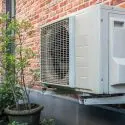
Air conditioning unit on a brick wall, with a potted plant nearby, representing Jerry Brittingham A/C & Heat, Inc. services.

A Guide to Heat Pumps

There are several different ways to heat and cool a home. Heat pumps are relatively new to the scene when it comes to home heating and cooling, but with innovations in this technology, more people are deciding to make the switch. Here are some common questions that people may have about heat pumps. 

What Are Heat Pumps?

Heat pumps are versatile devices used for heating and cooling spaces. They operate on the principle of transferring heat rather than generating it directly, making them energy efficient. Depending on the type of heat pump, they work by extracting heat from the outside air, ground, or water and moving it indoors to warm a home or building during cold weather. Conversely, they can reverse the process in warmer climates, removing heat from indoors to provide a cooling effect.

The most popular type is an air-source heat pump, which transfers heat from the outside air. Geothermal heat pumps, also called ground-source heat pumps, transfer heat from the ground, while water-source heat pumps use a water source instead. This technology can be used in ducted heating and cooling systems as well as ductless systems. 

Why Install Heat Pumps? 

Woman relaxing on a couch in a well-lit living room, enjoying comfortable indoor climate, symbolizing the benefits of heat pumps for home heating and cooling.Heat pumps have been around for a while, but recent strides have made them more beneficial. Some of the advantages of installing a heat pump are: 

  • Energy Efficiency: Heat pumps use electricity to transfer heat rather than having to generate it, making them an energy-efficient option for heating and cooling. 
  • Lower Energy Bills: Being an energy-efficient alternative to traditional furnaces and air conditioners is reflected in lower energy bills.  
  • Heat and Cool: Rather than having separate units installed for heating and cooling, heat pumps can do both.
  • Eco-Friendly Operation: No fossil fuels mean no carbon emissions, making them the obvious choice for anyone wanting to be environmentally conscious without suffering from the weather. 

When Do Heat Pumps Need Repair? 

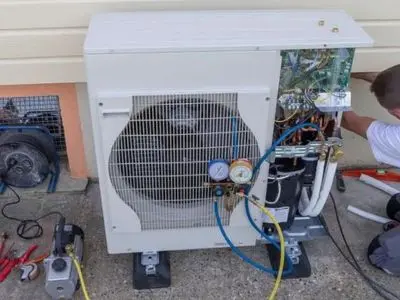
Heat pump unit being serviced, featuring gauges and hoses, illustrating maintenance for efficient heating and cooling in HVAC systems.Heat pumps use the same machinery to heat and cool the home, so they often stay in better shape throughout the year by avoiding long periods of sitting idle. Routine maintenance also helps keep them in good condition throughout the year. However, heat pumps can suffer from mechanical problems like any other appliance in the home. Keep an eye out for these signs that indicate the need for heat pump repair:

  • Insufficient heating or cooling
  • Poor airflow
  • High electric bills
  • New, strange noises
  • Unusual smells 
  • Too long or short of cycles 

About Jerry Brittingham A/C & Heat, Inc.

Jerry Brittingham A/C & Heat, Inc. has been serving Daytona Beach, FL, and the surrounding areas since 2002. They provide true transparency pricing, prompt and professional service, and financing. Call them today for heat pump installation and repair services in Daytona Beach, FL. 

All About Air Filters: What to Know

Close-up of a hand examining pleated gray fabric, showcasing detailed texture for HVAC material quality insights.

Answering Common Questions About Air Filters 

Air filters are a simple but vital component of the HVAC system. It prevents the AC and heater from overheating and promotes good indoor air quality. Still, many homeowners don’t know the first thing about air filters, including when to replace them. Here, homeowners can get answers to their most burning air filter questions. 

What Do Air Filters Do? 

At its core, an air filter removes impurities from the air, including pollen, dust, pet dander, and other particles that can affect homeowners’ health. It also protects the HVAC system from overheating, which can happen if it gets clogged with debris and can’t “breathe.” 

There are many different types of air filters, including: 

  • Flat air filters: A flat panel air filter is the most basic and cheapest option but is not as efficient. 
  • Pleated air filters: Because of their angled surface, these pleated filters can capture more debris than basic flat air filters. 
  • Electrostatic air filters: These air filters are electrostatically charged, attracting more debris and smaller pollutants. They can be reusable and washable or replaceable, per the Washington Post. 
  • Washable air filters: Some filters require buying a new filter whenever the old one gets dirty. With a washable filter, homeowners can hose it down, vacuum it, and reinsert it into the HVAC system. 

The most effective air filters are HEPA (high-efficiency particulate air) filters. These filter over 99 percent of all debris from the air larger than 0.3 microns, promoting good air quality. However, some HVAC systems cannot use them because they are not designed for them.  

When Is Filter Replacement Needed? 

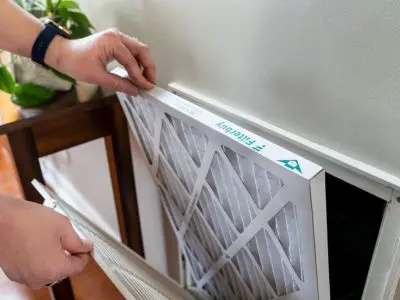
Person replacing an air filter in an HVAC system, showcasing a clean filter and emphasizing maintenance for improved air quality.EnergyStar notes that homeowners should replace their air filters at least once every three months. However, air filters should be checked monthly to ensure they are clean enough. Homeowners should consider more frequent filter replacements if they have pets or people in the household have allergies. 

Homeowners can also run the white sheet test to see if they need to replace their air filters sooner. This involves hanging a white sheet near an air vent but several inches away, then waiting around an hour. If the sheet is gray, this means the air filter is dirty and needs replacing. 

What Are the Benefits of Replacing a Dirty Air Filter? 

Person depositing a coin into a white piggy bank on a wooden table, symbolizing savings and financial management related to HVAC maintenance costs.Some benefits of replacing a dirty AC filter include: 

  • Saving money: An HVAC system shouldn’t have to work harder than it has to because of a dirty and clogged filter. If it does, homeowners will see this reflected in their system’s efficiency and energy bills. 
  • Good indoor air quality: With better indoor air quality due to a fresh filter capturing pollutants, homeowners can breathe easier and avoid respiratory problems, such as shortness of breath and allergy symptoms. 
  • Extended lifespan for the HVAC system: Nobody wants to worry about an HVAC problem ruining their day. By replacing the air filter on time, homeowners can help their system last longer. 

About Jerry Brittingham A/C & Heat, Inc. 

Jerry Brittingham A/C & Heat, Inc. has over two decades of experience serving Daytona Beach and the surrounding areas. They offer transparent pricing, financing options, and a membership plan. Call them today for HVAC filter replacement services in Daytona Beach, FL.