Planning a Heater Upgrade for the New Year

Start the New Year Right With a Heater Replacement

A dependable heating system keeps indoor spaces comfortable, protects plumbing, and supports indoor air. Over time, though, every furnace or heat pump wears down and becomes too costly to maintain. Knowing when to move from repeated heating repair to a planned heater replacement helps avoid breakdowns and expenses. This overview explains how to start the New Year right with a heater replacement, focusing on old age or frequent repairs, rising utility bills, and heating equipment that no longer keeps rooms warm.

Old Age or Frequent Repairs

Most central heaters are designed to deliver roughly fifteen to twenty years of service under normal conditions. As a system nears that range, internal parts such as heat exchangers, motors, and control boards become more prone to failure. If the same heating system seems to need a technician visit every season, repair spending can quickly add up.

In these situations, it makes financial sense to invest in heater replacement rather than continuing to patch an aging unit. A new heating system installation offers better efficiency, improved safety features, and a fresh manufacturer's warranty that protects the investment.

High Utility Bills

bills Another indicator that replacement should be on the table is a steady climb in winter energy costs. Older furnaces and heat pumps tend to lose efficiency as components wear, ductwork develops leaks, and burners or coils collect debris. The result is longer run times and a higher energy bill, even when thermostat settings remain the same.

Sometimes, a focused heating repair or thorough heating maintenance visit restores performance by cleaning and adjusting critical parts. However, if utility bills remain high after recommended service and no specific defect can be found, age‑related inefficiency may be the real culprit. At that point, a new heating installation may provide better long‑term savings than continuing to operate an outdated unit.

Insufficient Heating

cold Comfort problems are a clear sign that it may be time to update equipment. Warning symptoms include:

  • Rooms that never quite reach the thermostat setting
  • Noticeable cold spots or uneven temperatures between floors
  • A heater that cycles constantly yet still struggles to keep up on colder days

These issues can stem from undersized equipment, failing blowers, duct problems, or a combination of age‑related wear. While certain faults can be solved with targeted heater repair, a trusted professional can evaluate whether a full heating replacement will deliver more reliable warmth and lower operating costs.

About Jerry Brittingham A/C & Heat, Inc.

Jerry Brittingham A/C & Heat, Inc. is an award-winning, BBB-accredited heating, AC, and indoor air quality company providing expert HVAC solutions from highly trained technicians in Daytona Beach and the surrounding areas. With transparent pricing and prompt and professional service, customer satisfaction is guaranteed. Call them today for heater installation and replacement in Daytona Beach, FL.

Distribution Links +

Spotting And Stopping A Furnace Before It Overheats

What to Know About a Furnace Overheating

A heating system should run hot, but not so hot that components begin to fail or safety limits are repeatedly triggered. When a furnace overheats, comfort, equipment life, and safety are all at risk. This post outlines the main dangers of an overheating furnace, common warning signs that a unit may be starting to overheat, and practical steps, including routine maintenance, to help prevent problems in the first place.

Risks of an Overheating Furnace

A furnace that repeatedly runs beyond its intended temperature range can suffer serious damage. Excess heat inside the cabinet stresses the heat exchanger, wiring, blower motor, and safety controls. Over time, this extra strain can lead to cracked or warped parts, costly furnace repair visits, and ultimately premature failure that forces an early furnace replacement. What might begin as occasional nuisance shutdowns can escalate into full system breakdowns if ignored.

There are also safety considerations. When internal temperatures spike, nearby combustible materials may be at greater risk of fire, especially if clutter is stored close to the unit. Frequent overheating can also contribute to problems with the heat exchanger or flue connections. If those components become compromised, combustion gases may escape into occupied spaces, increasing the risk of carbon monoxide leaks and potential carbon monoxide poisoning. For that reason, temperature limit trips should always be treated as warning signs that need investigation, not simply reset and forgotten.

Signs of an Overheating Furnace

bad smell Furnace overheating often leaves clues before a major failure. One of the most noticeable is a persistent burning smell when the system runs. While a brief odor at the very start of the heating season can be normal as dust burns off, a smell that persists or recurs regularly may signal that components are getting too hot or that insulation and wiring are being stressed.
Unusual noises can also point to trouble. A louder-than-usual humming sound, metallic pinging, or repeated clicking may indicate that the blower is struggling, that bearings are wearing, or that metal parts are expanding and contracting more than they should due to excess heat. Another red flag is short cycling. Instead of running full heating cycles, the furnace may turn on, operate for a short time, then shut off before the thermostat setting is reached. High-temperature limit switches often cause this pattern to protect the unit from further overheating conditions. When these signs appear together, an overheating furnace is a strong possibility.

Ways to Prevent a Furnace From Overheating

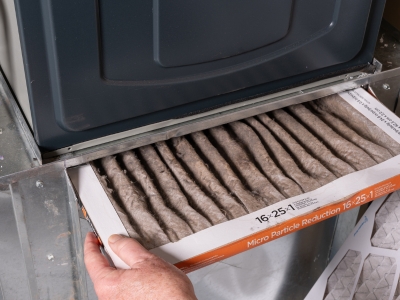
filter The first line of defense against furnace overheating is proper airflow. A clogged furnace filter blocks air movement, causing temperatures around the heat exchanger to rise quickly. Routine furnace filter replacement—typically every one to three months, depending on filter type and conditions—helps keep air flowing freely and reduces unnecessary strain on the blower and burner. Using a filter with the correct rating for the system is just as important as regularly replacing it.

Regular furnace maintenance is the other key factor. During a maintenance visit, a professional can inspect the heat exchanger, clean burners, verify blower performance, test safety switches, and check for issues that might cause the unit to overheat. Small corrections, such as tightening electrical connections, adjusting gas input, or cleaning components, often prevent bigger problems later. Keeping the area around the furnace clear of storage items also improves ventilation and lowers fire risk. With consistent furnace maintenance and attention to basic care, most systems can operate within safe temperature ranges and deliver steady comfort throughout the heating season.

About Jerry Brittingham A/C & Heat, Inc.

Jerry Brittingham A/C & Heat, Inc. is an award-winning HVAC company providing prompt and professional heating and cooling solutions in Daytona Beach and the surrounding communities. Their trusted technicians are experienced and highly trained, ensuring customer satisfaction. Call them today for furnace tune-ups and repairs in Daytona Beach, FL.

Distribution Links +

When is it Time to Replace and Upgrade the Thermostat?

Signs Thermostat Replacement Is Needed and the Benefits of Upgrading

Knowing when to replace and upgrade the thermostat can make a noticeable difference in comfort and operating costs. An outdated or inconsistent thermostat often causes uneven temperatures and unnecessary runtime, leaving the heating and cooling system working harder than it should. Installing a smart or programmable thermostat can improve control and help systems run more efficiently. This guide explains the signs that point to thermostat replacement, the benefits of upgrading, and why programmable and smart options outperform a basic manual thermostat.

Common Signs to Replace the Thermostat

billsA thermostat may signal trouble long before a complete failure. A blank, dim, or unresponsive display is a clear sign that internal components are failing. Inaccurate readings—when the displayed temperature does not reflect the actual feel of a room—suggest sensor or calibration issues that lead to inefficient cycling and inconsistent comfort.

Operational behavior also reveals underlying problems. Short cycling, where equipment turns on and off in quick bursts, often indicates communication errors between the thermostat and the heating or cooling system. On the other side, systems that run for extended periods without achieving the set point point to a control that no longer regulates properly. Age is another factor; older devices, especially a manual thermostat, frequently lack features that support steady temperatures and efficient operation. When multiple symptoms appear together, planning for thermostat replacement with a modern control can restore predictability and reduce strain on equipment.

Benefits of Replacing an Aging or Malfunctioning Thermostat

Replacing an aging or malfunctioning thermostat typically delivers immediate improvements. Modern controls offer better sensing and more precise algorithms, allowing equipment to run closer to actual demand. The result is steadier temperatures throughout the space, fewer temperature swings, and improved efficiency that can help stabilize the utility budget.

An upgraded thermostat also supports quieter, less stressful operation for the HVAC system. Reduced unnecessary starts and stops limit wear on furnaces, air handlers, and heat pumps. Convenience increases as well: a programmable thermostat enables set-and-forget schedules that match daily routines—warmer when rooms are active, cooler when they are empty or at night. For a seamless transition, professional thermostat installation ensures proper wiring, placement, and configuration so the control communicates correctly with the equipment. Taken together, these enhancements make thermostat replacement a practical step toward a more efficient and comfortable home environment.

Why Upgrade to a Programmable or Smart Thermostat?

thermostatUpgrading to a programmable or smart thermostat modernizes comfort management and reduces reliance on constant manual adjustments. Compared to a manual thermostat that holds one setting until it is changed by hand, a programmable model automates temperature shifts by time of day and day of week, helping avoid unnecessary operation when spaces are unoccupied.

A smart thermostat expands on those benefits with features like remote access, learning capabilities, and usage insights that can guide fine-tuning for comfort and efficiency. Many models offer occupancy awareness, weather-responsive adjustments, and multi-stage control for smoother performance. When paired with professional smart thermostat installation, advanced features are configured to match the specific HVAC setup for consistent results. Whether choosing a straightforward programmable thermostat or a fully connected smart thermostat, moving beyond a manual thermostat typically delivers steadier temperatures, streamlined operation, and better alignment between actual demand and system output.

About Jerry Brittingham A/C & Heat, Inc.

Jerry Brittingham A/C & Heat, Inc. is an award-winning HVAC company proudly serving the communities of Daytona Beach and the surrounding areas with prompt and professional service. Call them today for smart home thermostats in Daytona Beach, FL.

Distribution Links +

A Practical Guide to Ductwork and When the Ducts Need Service

When Do the Air Ducts Need Professional Attention?

Ductwork is the hidden highway of a heating and cooling system, carrying conditioned air to every room. When problems develop, comfort, indoor air quality, and energy costs often suffer. This guide highlights the clearest signals that an air duct system needs expert care—from air duct repair and air duct cleaning to full air duct replacement—so comfort and efficiency get back on track without guesswork.

Signs Ductwork Repair Is Needed

dust Air ducts operate quietly behind walls, ceilings, and floors, but the entire home “speaks up” when something is wrong. Recognizing the early signs of damaged ductwork helps prevent more significant issues and unnecessary strain on HVAC equipment.
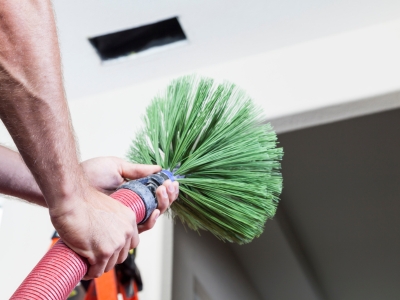
Common indicators that suggest the need for ductwork repair include unusual dust patterns around vents, fine dust on surfaces shortly after cleaning, or a musty odor when the system is running. These can indicate leaking seams or disconnected sections that allow unfiltered air to enter the supply. Uneven temperatures—one room cool and another warm—often indicate crushed ducts, loose connections, or blocked branches. A sudden uptick in energy bills without a change in weather or usage can also be a sign that conditioned air is escaping through gaps before reaching living spaces.

Sounds and smells provide clues as well. Rattling, whistling, or banging within the ductwork may indicate loose fasteners, ill-fitting transitions, or holes that require prompt attention. Odors in the airstream can signal moisture issues or contamination inside an air duct. In these situations, a professional air duct inspection can determine whether air duct repair, air duct cleaning, or both are warranted.

If an air duct system is older, repeatedly patched, or heavily corroded, it may be time to consider replacing the ductwork. Targeted sections can sometimes be swapped, but widespread deterioration or design flaws often justify a more comprehensive air duct replacement to restore performance.

The Importance of Air Duct Maintenance and Cleaning

air dust Without routine care, dust, pet dander, building debris, and other contaminants can settle in the ductwork and migrate throughout the home. Air duct maintenance helps keep this under control while also preserving airflow and system efficiency. Regular inspections identify loose connections, air leaks, damaged insulation, and gaps at plenums or registers that waste conditioned air.

Professional air duct cleaning, performed with the right equipment and proper containment methods, removes stubborn buildup and helps prevent it from recirculating. During the same visit, a qualified team can locate and seal leaks, confirm that ducts are correctly supported, and check for crushed or kinked flex runs. Ductwork cleaning done in tandem with sealing and minor ductwork repair often produces the best results because airflow and cleanliness are restored together.

Beyond cleanliness, a well‑maintained air distribution system reduces the workload on the HVAC unit, aiding efficiency and helping equipment last longer. Pairing air duct maintenance with periodic filter changes, drain line checks, and coil cleaning creates a comprehensive care plan for reliable year‑round comfort.

How Long Does Ductwork Last?

The service life of ductwork varies based on material, installation quality, local climate, and maintenance history. Properly installed metal ducts can deliver long, dependable service, while some flexible runs may age faster if compressed, unsupported, or exposed to heat and humidity. In coastal or humid regions, corrosion and moisture intrusion can shorten the lifespan if not addressed.

Longevity improves with consistent upkeep. Periodic air duct cleaning removes debris that can restrict airflow and harbor contaminants. Scheduled inspections catch loose joints, torn mastic, or failing insulation early, making timely air duct repair more effective and less disruptive. When leakage, damage, or design issues are widespread, ductwork replacement becomes a sound investment, restoring airflow balance and improving comfort across the home.

Clear warning signs of a failing network include persistent temperature imbalances, visible deterioration around connections, recurring dust accumulation near vents, and ongoing airflow noises that return soon after repair. An experienced contractor can pressure‑test ducts, measure airflow, and recommend the best path—ranging from focused ductwork repair to partial swaps or full air duct replacement.

In short, a clean, tight, and properly designed air duct system protects indoor air quality and helps the HVAC unit operate efficiently. When concerns arise, a comprehensive evaluation—covering air duct repair, air duct maintenance, and ductwork cleaning—provides a roadmap to long‑term comfort with the fewest surprises.

About Jerry Brittingham A/C & Heat, Inc.

Jerry Brittingham A/C & Heat, Inc. is a leading HVAC company that provides prompt and professional service from experienced, highly trained technicians in Daytona Beach. Call them today for air duct services in Daytona Beach, FL.

Distribution Links +

Common Causes of Inefficient Air Conditioning Units

Why Are Cooling Costs Higher Than Usual?

Dealing with an inefficient air conditioner can be frustrating, especially when energy bills surge while the space still feels warm. If a system runs nonstop yet struggles to cool, the cause is often straightforward. Most issues behind poor performance are simple to pinpoint through routine air conditioner maintenance. This overview highlights common culprits so comfort can be restored and monthly costs reduced without guesswork.

Dirty Air Filter or Lack of Maintenance

filter A clogged air filter or neglected AC filter forces equipment to work harder, increasing energy consumption and operating costs. Dirty air filters restrict airflow through the HVAC system, leading to longer run times to achieve the same cooling output. According to the Department of Energy, restricted airflow of this kind can raise energy use by up to 15%.

Skipping timely air filter replacement or AC filter replacement also allows dust to accumulate on evaporator coils and other internal components, further limiting heat transfer. Regular air conditioner maintenance and scheduled AC maintenance help prevent these inefficiencies from compounding. During routine visits, technicians clean coils, verify charge to check for signs of a refrigerant leak, and inspect electrical connections. Properties following consistent maintenance schedules often see 20–40% better efficiency than those waiting for breakdowns.

Dirty Coils or Low Refrigerant

hvac Dirty coils and low refrigerant levels are among the most frequent reasons an air conditioner underperforms. Contaminated evaporator coils absorb less heat from indoor air, while condenser coils covered in debris struggle to release heat outdoors. The result is reduced capacity and extended run times.

A refrigerant leak compounds the problem. When refrigerant levels drop, the system’s ability to transfer heat between indoor and outdoor units declines sharply. The compressor may run longer cycles, yet optimal cooling never materializes. Professional service typically includes coil cleaning with specialized equipment and precise diagnosis of any refrigerant leak, followed by repairs and charging to manufacturer specifications—steps that restore performance and trim cooling costs.

Ductwork Problems

Leaky or obstructed ductwork is a commonly overlooked cause of inefficient cooling. Damaged air ducts can lose 20–30% of conditioned air, forcing the system to overwork to meet thermostat settings. Escaped air often ends up in attics or crawlspaces rather than living areas.

Beyond leaks, blockages from dust accumulation, debris, or pests can choke airflow through ductwork, creating hot and cold spots from room to room. A professional inspection of air ducts helps detect hidden leaks and obstructions. Sealing problem areas with appropriate materials and performing thorough duct cleaning restores proper airflow, improves overall HVAC efficiency, and supports more even temperatures throughout the home or building.

About Jerry Brittingham A/C & Heat, Inc.

Jerry Brittingham A/C & Heat, Inc. is a leading provider of HVAC services in Daytona Beach and the surrounding areas. They offer prompt, high-quality service and take pride in guaranteeing customer satisfaction. Call them today for AC maintenance in Daytona Beach, FL.

Distribution Links +